Hidden Disabilities, Inclusion, and the ADA: A conversation with Elizabeth Gagnon

Autism is a difference not deficient.
Elizabeth Gagnon, CPA
Director of Finance and Administration
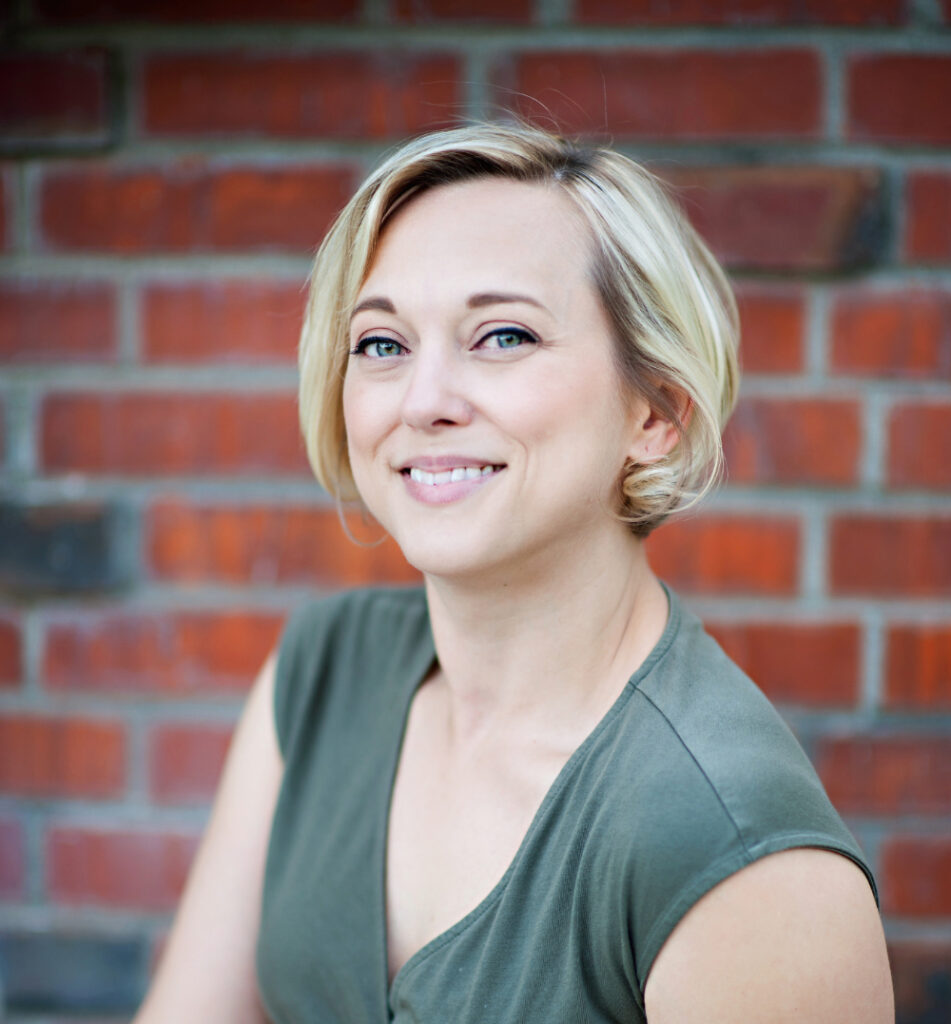
As part of our continued recognition of Disability Pride Month, we sat down with Elizabeth Gagnon, CIBHS’ Director of Finance and Administration, to discuss her experience of living with autism and other hidden disabilities. Throughout the conversation, Elizabeth reflected on identity, inclusion, workplace culture, and the importance of seeing disability through a lens of difference rather than deficit.
Like many disabilities, autism is not always visible, yet it shapes how people experience the world, communicate, and connect with others. Elizabeth’s story highlights that an inclusive workplace is built by recognizing that every individual brings unique experiences, perspective, and strengths.
A Lifelong Journey of Understanding
When asked what being autistic means to her personally, Elizabeth admitted that the question itself can be difficult to answer because autism influences so many aspects of who she is. For much of her life, she viewed autism as something she never wanted to highlight about herself, but over time her perspective changed. The realization came incrementally – as she got older there was enough time and distance to see how autism affected her, she has become comfortable seeing autism as a difference, not a deficit.
Elizabeth recognizes that autism has presented challenges, including navigating relationships and how she prefers to communicate, but she also sees strengths that have shaped her life. One example she shared was earning her CPA license. Accounting became a special interest for her, and her ability to focus deeply and approach work from a process-oriented perspective helped her accomplish that goal quickly.
Sharing Her Story with Colleagues
Elizabeth shared her experience with autism during an all-hands meeting at CIBHS. Before that moment, she had only discussed it in smaller conversations and had not openly shared it with the organization as a whole.
She explained that in the past, she viewed autism as a deficit and didn’t want to draw attention to it. Over time, her understanding changed, she began to see it as a difference in the way her brain works, rather than something negative.
Elizabeth said that CIBHS’ culture played an important role in her decision to share her story. From the interview process and onward, she noticed a welcoming and accepting environment. She felt comfortable being honest and didn’t feel any concern about sharing her personal information.
She also shared that invisible disabilities are a topic she cares deeply about. In addition to her autism, Elizabeth explained that she also has an autoimmune condition and ADHD, both of which are invisible disabilities. Her experience with these disabilities have reminded her to give everyone grace and how there is a bigger picture behind what people can see.
What the ADA Means
Elizabeth described the Americans with Disabilities Act as one of the most consequential pieces of legislation in the country. She expressed her appreciation for those who advocated for it and described the activists as heroes. For her, the ADA represents the ability for people with disabilities to participate in everyday life. She highlighted how important the law has been for creating access and protection for people with disabilities. Elizabeth also emphasized that the ADA is important for people whose disabilities aren’t immediately visible.
Elizabeth explained that one of the challenges with invisible disabilities is that others may not immediately recognize the support someone needs. She shared that the ADA gives people protections and the ability to request accommodation without fear of discrimination. In a workplace, this can include accommodations related to conditions such as autoimmune diseases or other disabilities that affect someone’s daily life. For her, knowing these protections exist allows her to be more comfortable discussing what she needs and how she works best.
Difference, not Deficit
When asked what message she would like people to take away about hidden disabilities and inclusion, Elizabeth returned to one central idea. “Difference, not deficit.” She explained that differences in how people think, communicate, and experience the world are part of what makes people unique.
Elizabeth believes that having diverse perspectives and experiences represented leads to better outcomes because it allows for more viewpoints to be included.
Her own journey has been about understanding herself, recognizing both challenges and strengths, and becoming more comfortable showing parts of herself that others may not immediately see.
As Disability Pride Month comes to a close, Elizabeth’s story highlights the importance of continuing conversations about disability, accessibility, and inclusion. Her experience reflects one of the many ways disabilities can shape a person’s life, including the challenges they navigate and the strengths they bring. Elizabeth hopes that sharing her story helps others understand that disabilities are not always visible and the differences in how people think, communicate, and experience the world are not deficits, but rather differences that make each person unique.