Continuing CIBHS’ June theme of connection, resilience, and belonging, we are proud to highlight Men’s Mental Health Awareness. While millions of men experience anxiety, depression, stress, and other mental health challenges each year, many remain reluctant to seek help.
Tag Archives: Home LinkedIn
Connection, Community, and Men’s Mental Health: A Conversation with Percy Howard
Continuing CIBHS’ June theme of connection, resilience, and belonging, we are proud to highlight Men’s Mental Health Awareness. While millions of men experience anxiety, depression, stress, and other mental health challenges each year, many remain reluctant to seek help.
Creating Connections: How Community Cultural Liaisons Foster Wellness and Belonging
Community Cultural Liaisons (CCLs) serve as trusted bridges between behavioral health systems and the communities they serve. This article explores how CCLs foster wellness, belonging, and access to care by building trust, reducing barriers, amplifying community voices, and helping transform behavioral health systems into more responsive, culturally meaningful resources.
Better Care, Lower Costs: Scaling Evidence-Based Practices Across Health Plans

Evidence-based practices improve outcomes, reduce costs, and strengthen system performance. This article explores why inconsistent adoption across health plans persists and what it takes to scale EBPs effectively across behavioral health systems.
Ending Systemic Inequities through the Behavioral Health Racial Equity Collaborative (BHREC) Model
Across Sacramento County, behavioral health providers are navigating a new reality—supporting communities experiencing fear, trauma, and barriers to care shaped by immigration policy, misinformation, and systemic inequities.
Beyond Standard Care
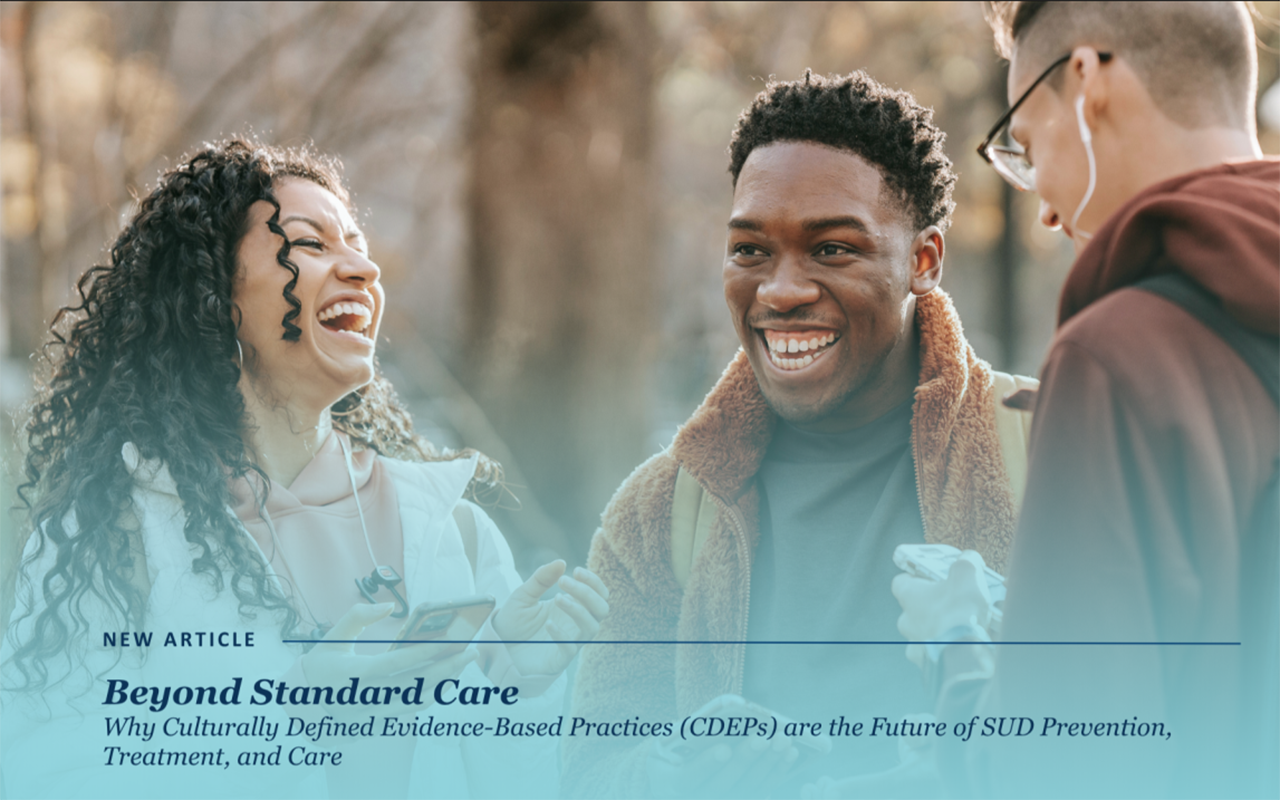
Record overdose deaths and rising substance use disorders highlight the need for more effective, culturally responsive care. Culturally Defined Evidence-Based Practices (CDEPs) integrate community knowledge, culture, and lived experience into treatment, helping improve engagement, reduce stigma, and strengthen outcomes for diverse populations affected by SUD.
Beyond the Manual
Evidence-Based Practices (EBPs) are the foundation of the behavioral healthcare system in the US today. There is a robust bank of research and data on these practices and they are rigorously evaluated and proven to work. Yet, for these powerful tools to truly serve all, especially historically underserved communities, such as those in rural areas, lower-income households, people of color and LGBTQ+ (Lesbian, Gay, Bisexual, Transgender, Queer/Questioning, and others) communities, a crucial step is often overlooked: cultural adaptation.